7 Nov 2026
Precision-Tuned Chatbot Scripts Reshaping Casino Affiliate Conversions Through Layered Compliance Filters in Multi-Jurisdictional Markets
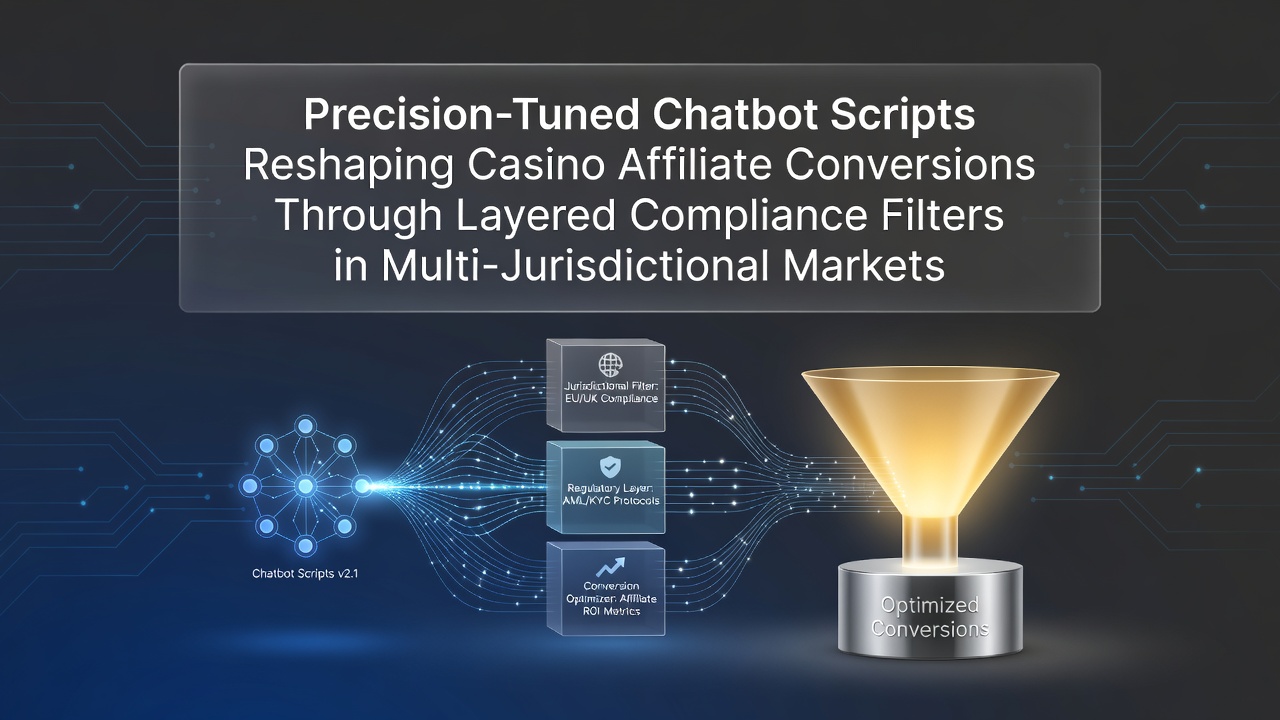
Operators in the casino affiliate sector now deploy precision-tuned chatbot scripts that manage player inquiries and guide conversions while embedding layered compliance filters tailored to specific regulatory environments, and these tools adjust responses in real time based on user location and applicable rules. Data from industry tracking services shows increased adoption rates through 2026 as affiliates seek to maintain traffic flows amid shifting legal landscapes in North America, Europe, and Asia-Pacific regions.
Script Architecture and Real-Time Adaptation
Developers build these scripts around modular decision trees that trigger jurisdiction-specific protocols the moment a user provides location data or an IP address registers on the system, and each module contains pre-approved language for bonuses, terms, and eligibility checks that align with local statutes. Researchers at gaming technology firms have documented how the scripts route conversations through sequential filters that first verify age and residency before presenting any promotional content, which prevents unauthorized offers from reaching restricted users.
One affiliate network operating across five U.S. states and two Canadian provinces reported that the layered approach reduced compliance incidents by routing queries to separate compliance pathways, while conversion metrics remained stable because the chatbots continued to answer questions about game features and deposit processes without interruption. Observers note that the architecture relies on API connections to regulatory databases updated monthly, allowing scripts to reflect changes such as the new player verification standards scheduled for implementation in several markets during November 2026.
Layered Compliance Mechanisms Across Borders
Compliance layers operate in sequence, beginning with broad geographic blocks adn progressing to granular checks on bonus structures and advertising claims that differ between, for example, Ontario's iGaming framework and the rules enforced by the Australian Communications and Media Authority. Affiliates integrate these layers so that a single chatbot session can serve users from multiple regions without requiring separate landing pages or support teams, and the system logs every interaction for audit purposes required by oversight bodies.
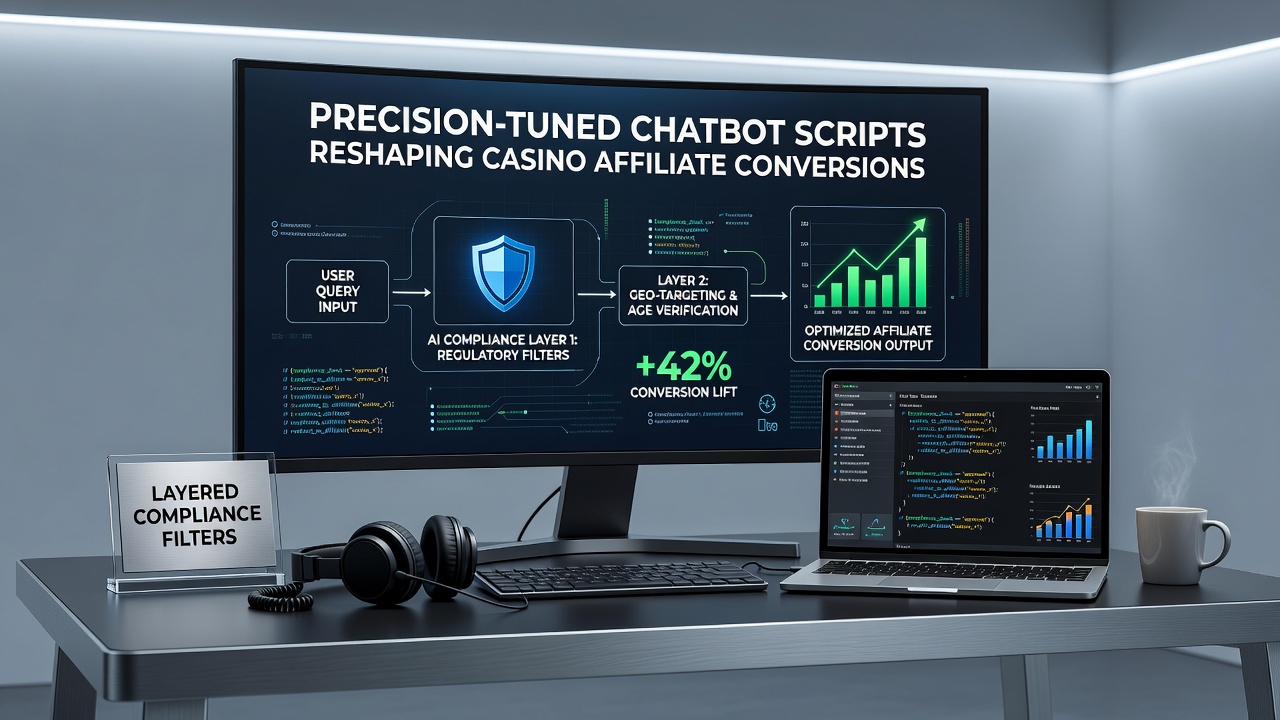
Figures released by the Canadian Gaming Association indicate that affiliates using automated filters recorded fewer regulatory notices compared with those relying on manual review processes alone, and similar patterns appear in reports covering European Economic Area operators who must satisfy both national rules and overarching EU consumer protection directives. The filters also incorporate dynamic language adjustments that replace terms flagged as non-compliant in one jurisdiction with equivalents accepted elsewhere, maintaining conversational flow.
Conversion Outcomes and Market Data
Conversion tracking platforms reveal that affiliates implementing these chatbot systems experienced steady or improved signup completion rates in tightly regulated zones, because the scripts address player concerns about legality and payout security before those concerns lead to session abandonment. A study conducted by a European research institute specializing in digital commerce found that scripted responses incorporating jurisdiction-specific disclaimers correlated with higher completion of first-deposit actions when compared against generic chat interfaces.
Yet conversion gains depend on continuous calibration; operators who failed to update filter parameters after a regulatory shift in one state saw temporary dips until the scripts were revised. Industry conferences scheduled for late 2026 plan to showcase case studies where multi-jurisdictional deployments maintained conversion parity across borders while satisfying audit demands from bodies such as the Nevada Gaming Control Board and state-level commissions in the Midwest.
Operational Integration and Staff Oversight
Affiliate teams integrate the chatbots with existing customer relationship management platforms so that human agents receive flagged conversations requiring escalation, and this hybrid model allows the automated scripts to handle the majority of routine compliance queries while specialists address edge cases. Training data for the scripts draws from anonymized interaction logs collected over multiple regulatory cycles, which helps the systems anticipate common questions tied to specific bonus types or verification steps.
Experts at affiliate management companies describe how the scripts now include fallback pathways that direct users to jurisdiction-appropriate landing pages when initial filters detect potential mismatches, thereby preserving conversion momentum. Those same teams monitor performance dashboards that break down completion rates by region and filter layer, providing the data needed for quarterly compliance reviews.
Conclusion
Precision-tuned chatbot scripts equipped with layered compliance filters have become standard infrastructure for casino affiliates operating across multiple regulatory zones, and the technology continues to evolve alongside new verification requirements expected in November 2026. Organizations that maintain current filter libraries and integrate them with real-time regulatory feeds position themselves to sustain conversion volumes while meeting the documentation standards demanded by diverse oversight authorities.